

51
Workshop of Dominikos Theotokopoulos, known as El Greco (Jorge Manuel?), 17th century
€ 50.000 / 80.000
Estimate

Workshop of Dominikos Theotokopoulos, known as El Greco (Jorge Manuel?), 17th century
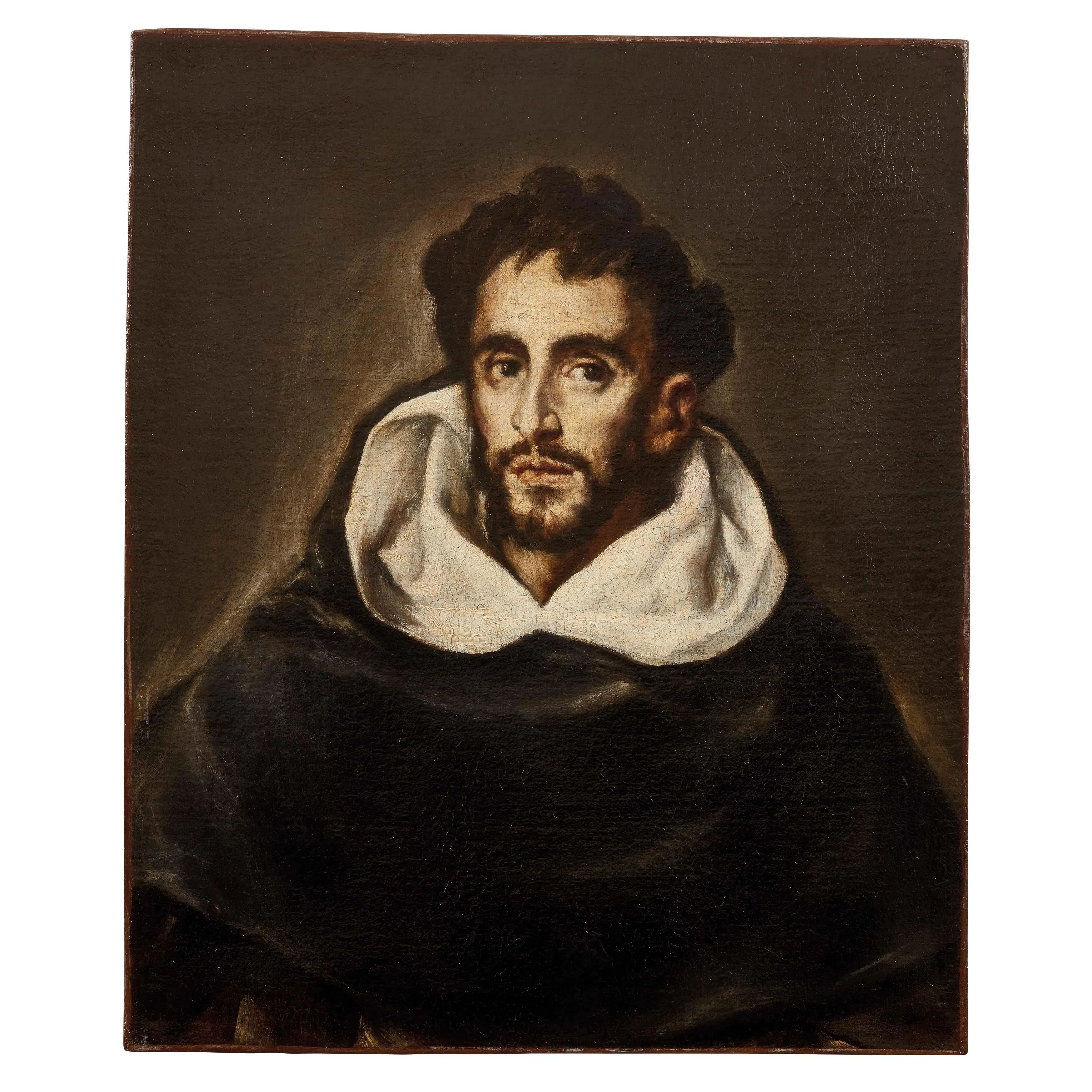
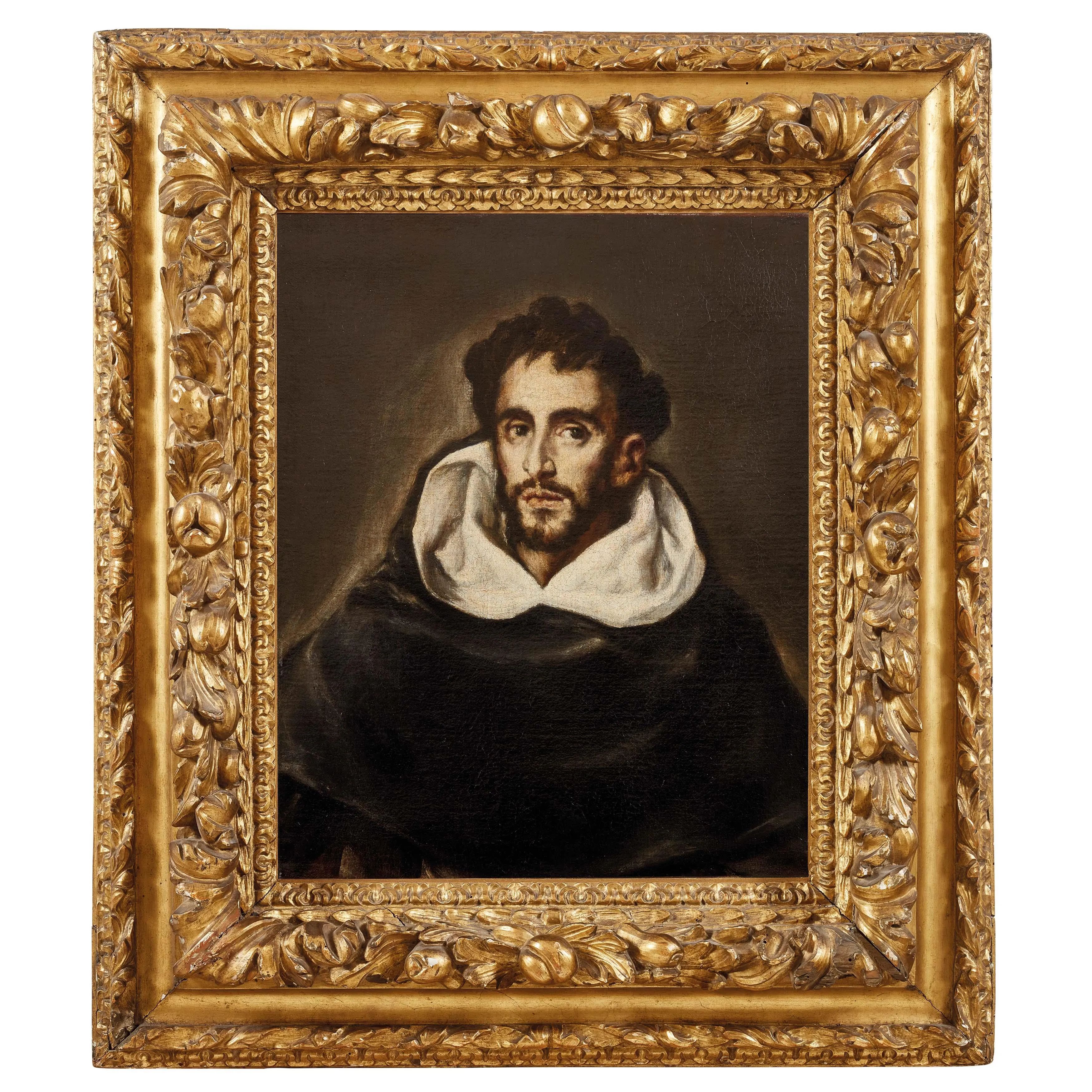
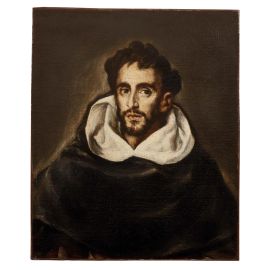
PORTRAIT OF FRAY HORTESIO FELIX PARAVICINO
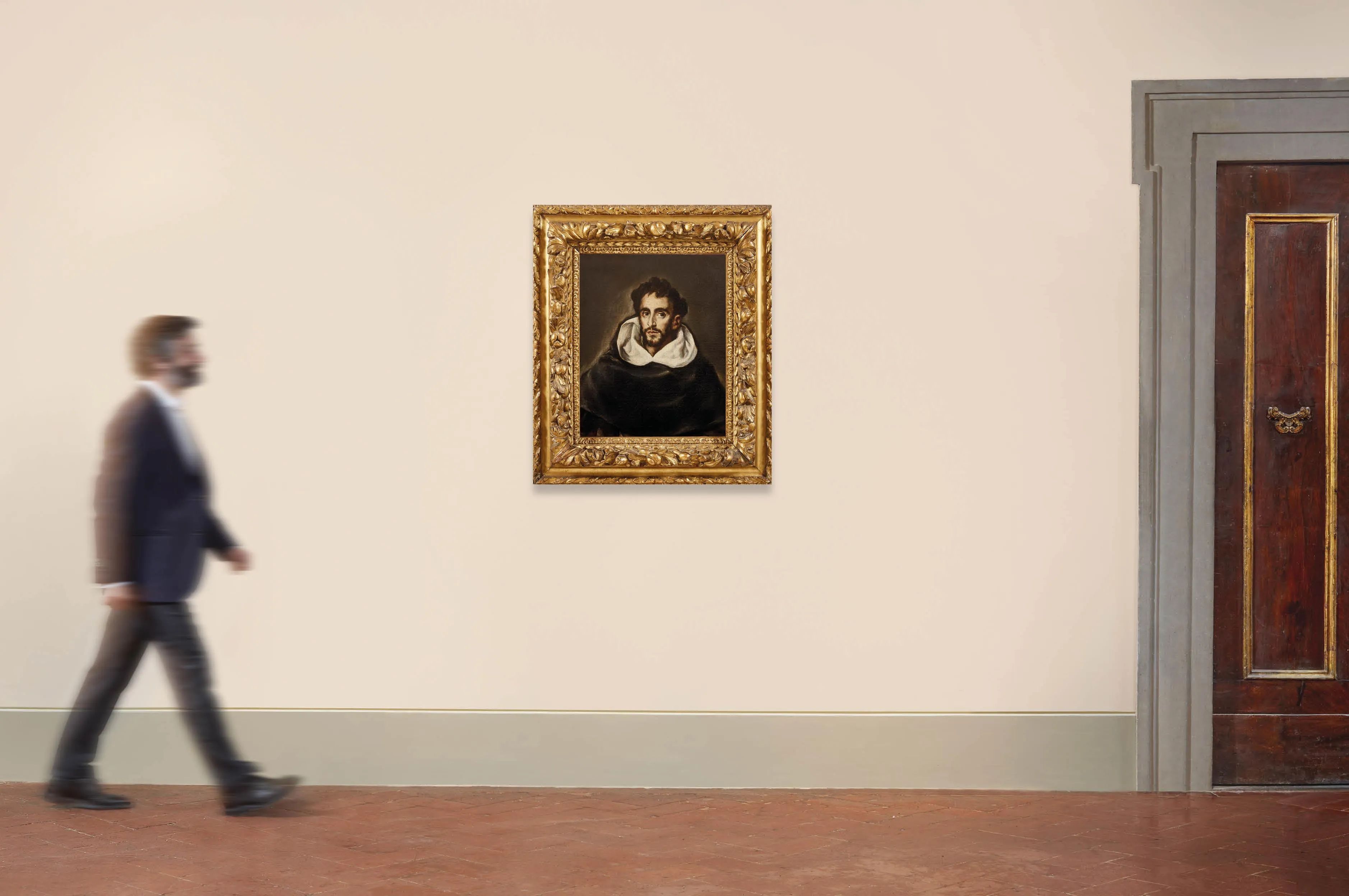
oil on canvas, 64x50 cm
Bottega di Dominikos Theotokopoulos, detto El Greco (Jorge Manuel?), sec. XVII
RITRATTO DI FRAY HORTESIO FELIX PARAVICINO
olio su tela, cm 64x50
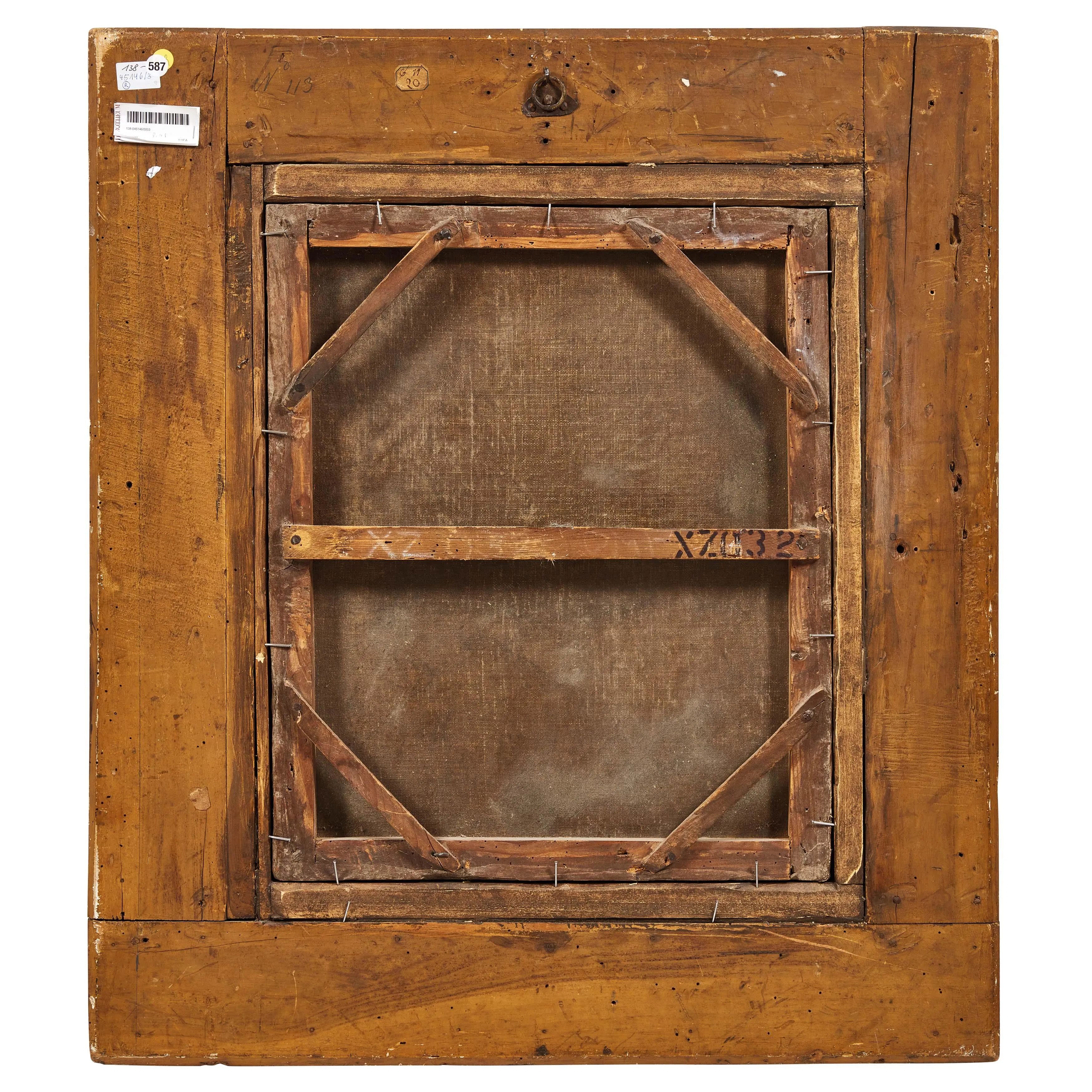
Provenance
- England, private collection;
- Vienna, Dorotheum, Old Master Paintings, 18 April 2012, lot. no. 587.
The painting was recognized by Rafael Alonso, former curator of the Museo del Prado in Madrid, and Xavier Bray as a work executed by a talented assistant in El Greco’s workshop, possibly to be identified with his son Jorge Manuel Theotokopoulos (1578–1631; Vienna, Dorotheum, Old Master Paintings, 18 April 2012, lot. no. 587).
In any case, a variant of the 1609 portrait held at the Museum of Fine Arts in Boston, considered one of the masterpieces of El Greco’s (1541–1614) Toledo period, in which Hortensio is, however, depicted full-length, seated on a stool with two books.
Hortensio Félix Paravicino y Arteaga (Madrid, 1580–1633) was one of Spain’s most important theologians and religious poets, a member of the noble Pallavicino family.
Among the most famous portraits painted by El Greco, the one depicting Fray Hortensio Félix Paravicino y Arteaga (1580–1633) holds a place of paramount importance in the history of portraiture during the Siglo de Oro. A Trinitarian friar, poet, preacher, and refined man of letters, Paravicino was among the most influential intellectuals in Toledo in the early 17th century and maintained a relationship of sincere friendship and mutual respect with the Cretan master, celebrating his talent in several famous sonnets. The original portrait, dating from around 1609 and now housed at the Museum of Fine Arts in Boston, is unanimously recognized as one of the masterpieces of El Greco’s late work and of 17th-century European portraiture.
The canvas presented here reproduces the master’s composition with remarkable fidelity: the priest is depicted in half-length, clad in the snow-white habit of the Order of the Most Holy Trinity, with his face slightly turned and his intense, penetrating gaze - one of the distinctive elements of El Greco’s portraiture. The composition preserves the psychological immediacy and austere monumentality of the subject, while the neutral background focuses attention on the facial expression and the masterful contrast between the white of the robe and the darker tones of the flesh and the background.
From a stylistic standpoint, however, the work exhibits certain characteristics that suggest it was executed by the master’s workshop rather than by his own hand. The brushwork appears more uniform and less nervous than in the Boston original; the volumetric construction is firmer and more descriptive, while the lighting effects are subdued compared to the vibrant chromatic sensibility that characterizes El Greco’s autograph works. These elements seem to align the painting with the output of the Toledo workshop during the master’s final years of activity and the period immediately following his death.
In this context, the hypothesis formulated by Raffael Alonso and Xavier Bray (Dorotheum, Old Master Paintings, Vienna, April 18, 2012, lot 587), that Jorge Manuel Theotokópoulos (1578–1631) - El Greco’s only son, a painter and architect - was involved; upon his father’s death, he inherited the workshop and continued its operations. His body of work consists largely of replicas and reinterpretations of his father’s models, intended to satisfy a clientele still strongly drawn to the innovations of the great Cretan master. Among these, the portrait of Paravicino was certainly one of the most sought-after subjects, both because of the figure’s prestige and because of the symbolic significance it had acquired in the culture of Toledo at the time.
The quality of the execution and the close adherence to the prototype allow us to attribute the painting to Jorge Manuel’s body of work. The work thus represents a significant testament to the enduring popularity of the master’s portraiture and the activity of his workshop, documenting the continuity of a figurative language destined to exert a profound influence on 17th-century Spanish painting.