

Luca Giordano
(Naples, 1634 – 1705)
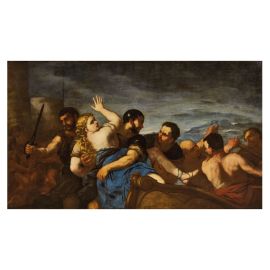
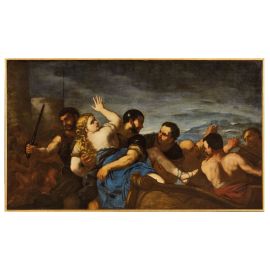
THE RAPE OF HELEN
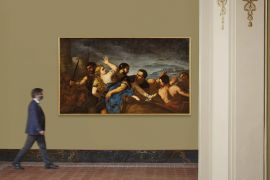
oil on canvas, 158x270 cm
RATTO DI ELENA
olio su tela, cm 158x270
Provenance
- Venice, private collection.
Literature
- O. Ferrari, G. Scavizzi, Luca Giordano. L’opera completa, Naples 1992, pp. 36, 266, 523.
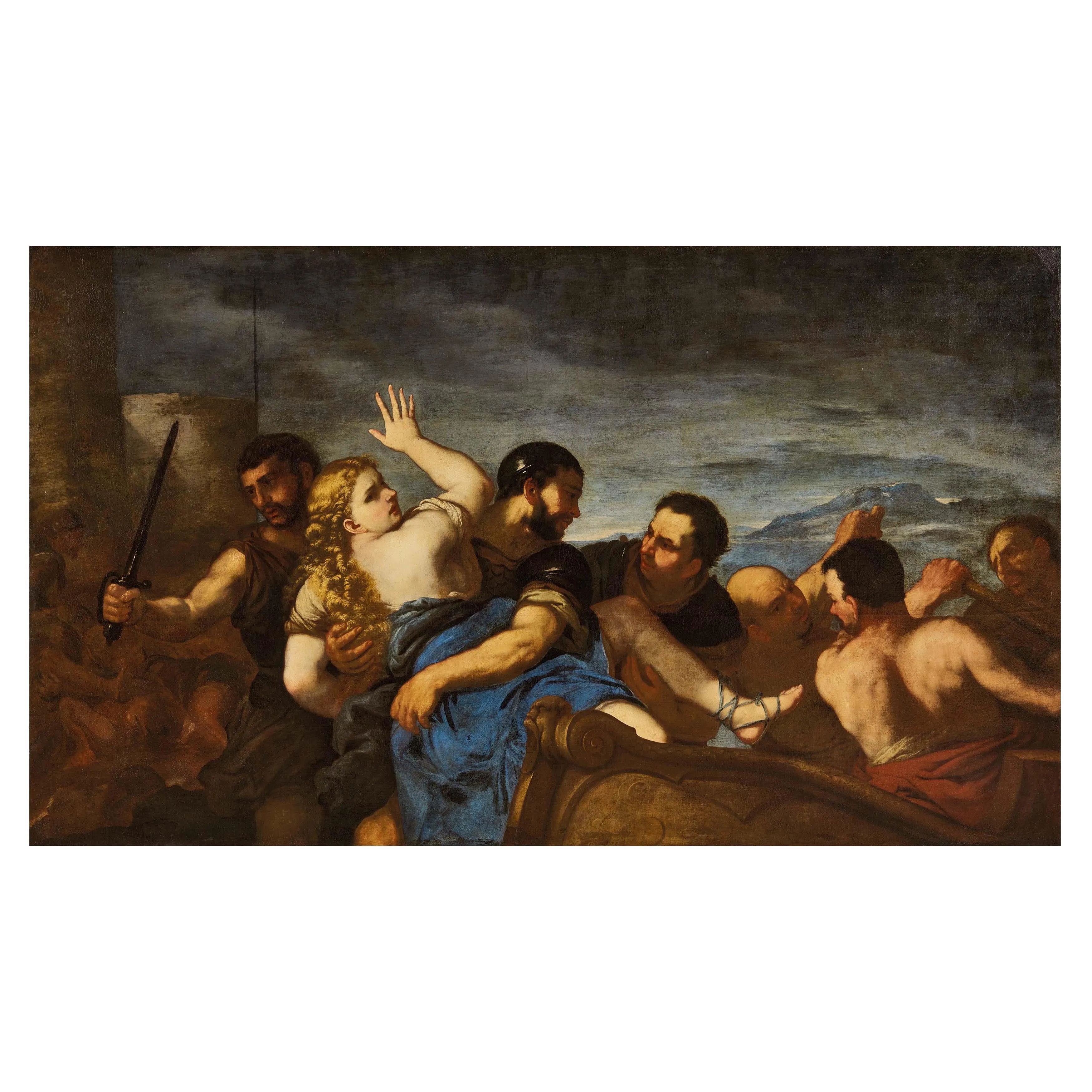
Dated approximately to 1655-1660 and first published in the 1992 catalog, this is “a large-scale composition in which echoes of Ribera’s late style blend with a more pronounced coloristic sensibility, reminiscent of Preti, in the manner characteristic of Giordano’s work in the second half of the 1650s” (Ferrari, Scavizzi 1992, p. 266, A 105).
Among the most successful interpretations of mythological themes in Luca Giordano’s early career, The Rape of Helen belongs to that period when the young Neapolitan master, in his early twenties, developed a highly personal synthesis between the vigorous naturalism of Ribera’s influence and the artistic influences of Mattia Preti and the Roman Baroque, which he had absorbed during his stays in the papal city and through his study of Pietro da Cortona. During these years, Giordano demonstrated extraordinary creative agility and a precocious compositional maturity.
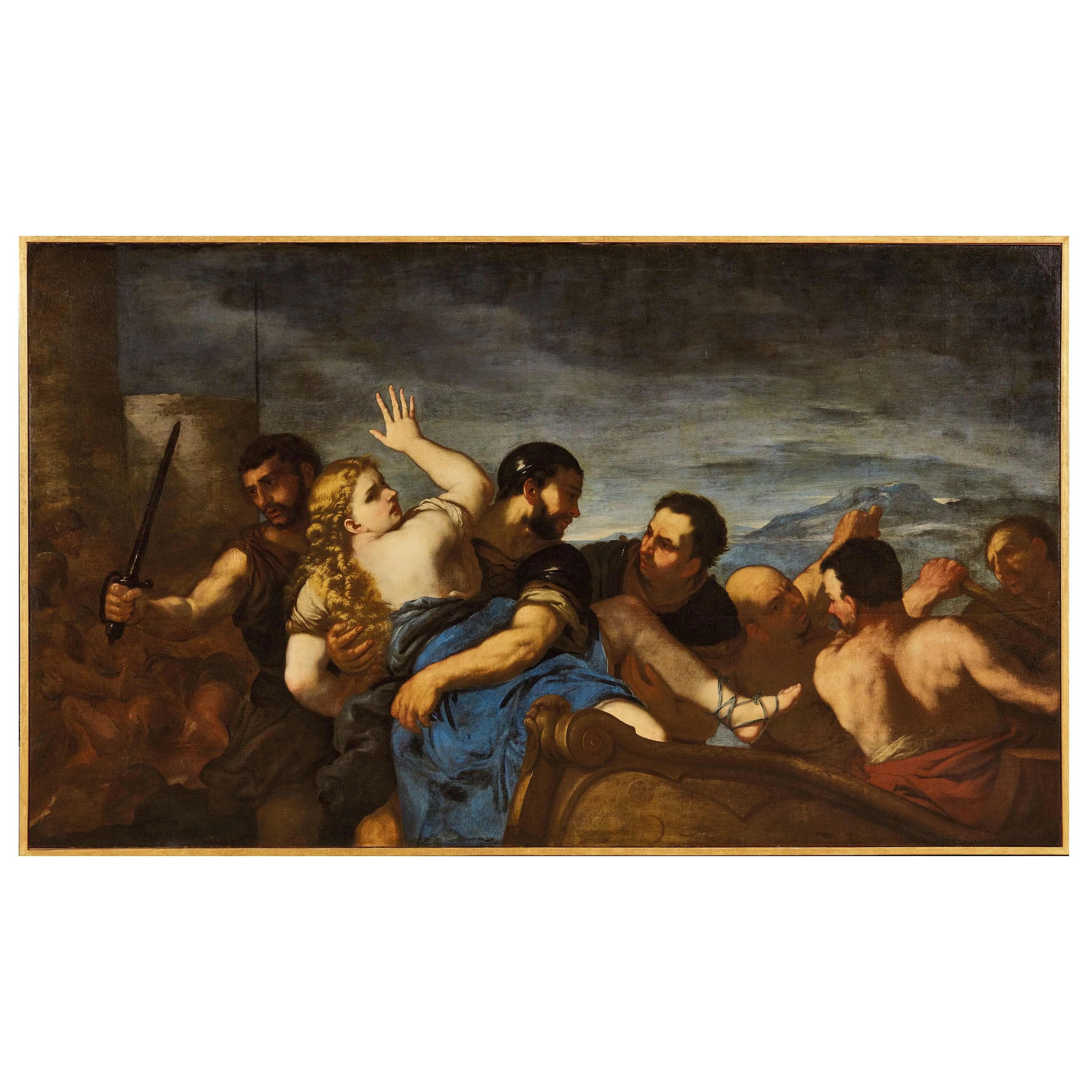
The painting depicts the climactic moment of Paris’s abduction of Helen, an episode narrated in classical tradition as the catalyst for the Trojan War.
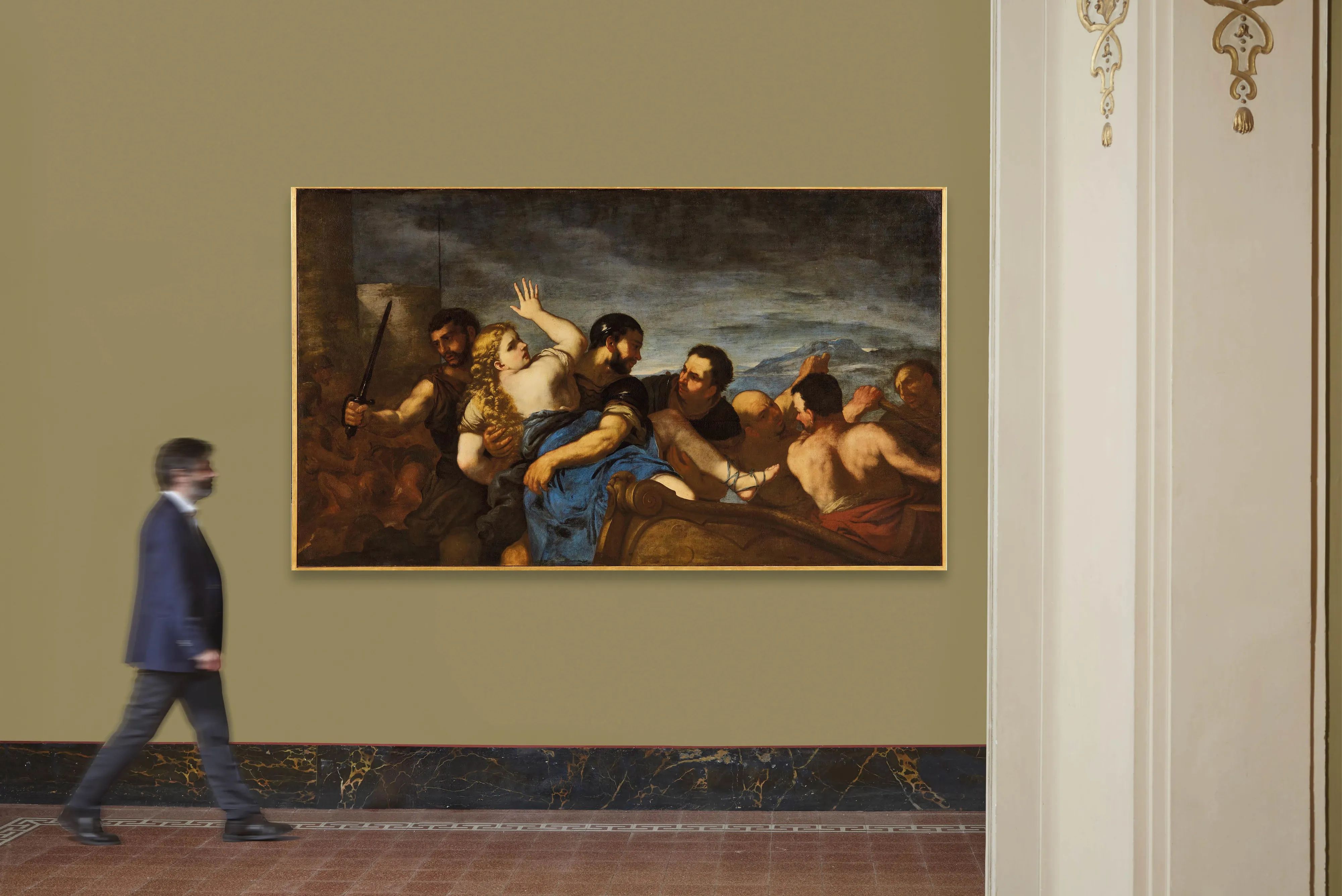
The scene is constructed according to a theatrical layout, with the figures arranged in a complex, dynamic spiral that draws the viewer’s gaze toward the main group. Their agitated interplay, combined with the iridescent luminosity of the garments and the chiaroscuro contrasts, lends the composition an extraordinary narrative tension, while the loose and vibrant brushwork foreshadows the artist’s more mature stylistic developments.
The work reveals Giordano’s interest in great Venetian painting, evident in the chromatic intensity and atmospheric richness, without sacrificing the sculptural solidity of the figures derived from Ribera’s influence. The large horizontal format, most likely commissioned by an important patron, stands in contrast to other large secular and mythological subjects executed by the artist during the same years, in which the epic narrative becomes an opportunity for a virtuosic display of movement, anatomy, and color.
A smaller version, with a composition “borrowed” from the canvas presented here, is housed at the Musée des Beaux-Arts in Caen (139x249 cm; Ferrari, Scavizzi 1992, p. 266, A106).