
Evaluation Vittorio Matteo Corcos
Vittorio Matteo Corcos Valuations - Want to sell a Vittorio Matteo Corcos piece? Request a complimentary and confidential valuation!Pandolfini Casa d'Aste will review your submission and offer a free-of-charge estimate, if your item is suitable for our auctions.
biography
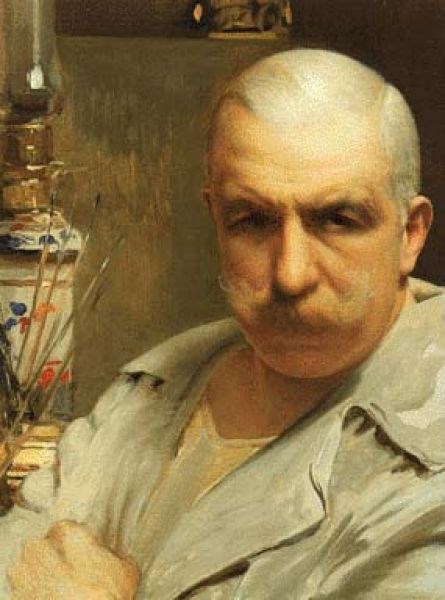
Vittorio Matteo Corcos was born in Livorno on October 4, 1859, to a family of Jewish origin, son of Isach Corcos and Giuditta Baquis. From an early age, he attended the Academy of Fine Arts in Florence under the guidance of master Enrico Pollastrini, developing his artistic skills in an academic environment. Between 1878 and 1879, he moved to Naples to study with painter Domenico Morelli, an experience that profoundly transformed his artistic style. From Morelli's teaching, he learned a painting characterized by deep formal and literary research, abandoning academic purism to embrace a more direct and realistic representation of reality. From this period date significant works such as Arab in Prayer and The Executioner, which evidence this new artistic direction with broad and confident brushstrokes.
In 1880, on Morelli's suggestion, Corcos moved to Paris, where he signed a fifteen-year cooperation contract with the prestigious art house Goupil. In Paris, he also attended the studio of renowned portraitist Léon Bonnat, specialized in portraying the Parisian elite. During this Parisian period, Corcos dedicated himself primarily to female portraits and scenes of daily life, characterized by brilliant colors and refined brushwork. He began exhibiting regularly at the Paris Salon from 1881, achieving considerable success with works such as At the Brasserie (1881), Reverie, Honeymoon, and Anniversary (1882), and a large Portrait of a Lady (1885) highly praised by critics. His ability to capture the essence of his subjects and represent details with meticulous precision made him one of the most sought-after portraitists of the Belle Époque.
In 1887, after converting from Judaism to Catholicism, Corcos married Emma Ciabatti, widow Rotigliano, and settled permanently in Florence, leaving the French capital only for occasional work trips to London and Paris. In Florence, he established himself as one of the greatest portraitists of his time, receiving numerous commissions from Florentine aristocratic and cultural society. Among his most prestigious portraits are those of Countess Annina Morosini, Countess Nerina Volpi di Misurata, and the celebrated composers Carducci, Puccini, and Mascagni. In 1904, he reached the pinnacle of his international career when in Germany he portrayed Emperor William II, the Empress, and numerous important German personalities, as well as the portrait of Queen Amelia of Portugal and subsequently Queen Margherita of Savoy. In 1913, his Self-Portrait entered the collection of the Uffizi Gallery, recognition of his importance in Italian art history. Vittorio Matteo Corcos died in Florence on November 8, 1933, and is buried in the monumental cemetery of Porte Sante. His painting, characterized by careful, smooth, and meticulous execution, represents a crucial moment in the history of Italian portraiture between the nineteenth and twentieth centuries, combining obsessive realism with formal elegance that distinguishes him as one of the reformers of the portrait genre.
In 1880, on Morelli's suggestion, Corcos moved to Paris, where he signed a fifteen-year cooperation contract with the prestigious art house Goupil. In Paris, he also attended the studio of renowned portraitist Léon Bonnat, specialized in portraying the Parisian elite. During this Parisian period, Corcos dedicated himself primarily to female portraits and scenes of daily life, characterized by brilliant colors and refined brushwork. He began exhibiting regularly at the Paris Salon from 1881, achieving considerable success with works such as At the Brasserie (1881), Reverie, Honeymoon, and Anniversary (1882), and a large Portrait of a Lady (1885) highly praised by critics. His ability to capture the essence of his subjects and represent details with meticulous precision made him one of the most sought-after portraitists of the Belle Époque.
In 1887, after converting from Judaism to Catholicism, Corcos married Emma Ciabatti, widow Rotigliano, and settled permanently in Florence, leaving the French capital only for occasional work trips to London and Paris. In Florence, he established himself as one of the greatest portraitists of his time, receiving numerous commissions from Florentine aristocratic and cultural society. Among his most prestigious portraits are those of Countess Annina Morosini, Countess Nerina Volpi di Misurata, and the celebrated composers Carducci, Puccini, and Mascagni. In 1904, he reached the pinnacle of his international career when in Germany he portrayed Emperor William II, the Empress, and numerous important German personalities, as well as the portrait of Queen Amelia of Portugal and subsequently Queen Margherita of Savoy. In 1913, his Self-Portrait entered the collection of the Uffizi Gallery, recognition of his importance in Italian art history. Vittorio Matteo Corcos died in Florence on November 8, 1933, and is buried in the monumental cemetery of Porte Sante. His painting, characterized by careful, smooth, and meticulous execution, represents a crucial moment in the history of Italian portraiture between the nineteenth and twentieth centuries, combining obsessive realism with formal elegance that distinguishes him as one of the reformers of the portrait genre.
Past lots of Vittorio Matteo Corcos
Vittorio Matteo Corcos
(Livorno, 1859 - Firenze, 1933)
Vittorio Matteo Corcos
Vittorio Matteo Corcos
(Livorno 1859 - Firenze 1933)
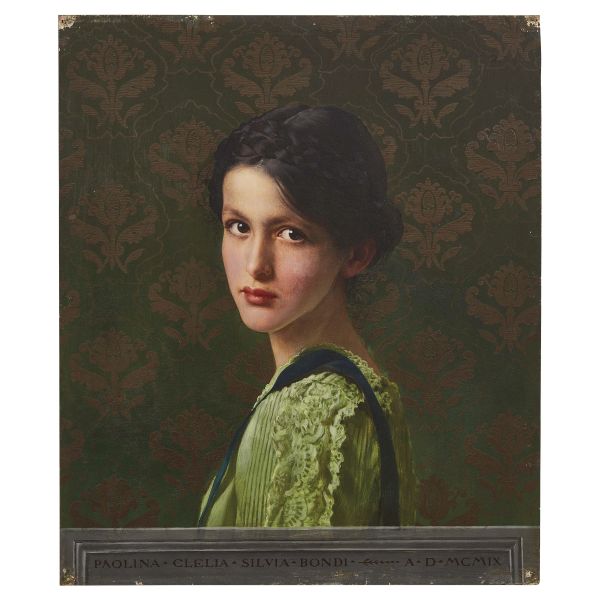
PORTRAIT OF PAOLINA CLELIA SILVIA BONDI
oil [..]
Sold
Vittorio Matteo Corcos
(Livorno, 1859 - Firenze, 1933)
Vittorio Matteo Corcos
Vittorio Matteo Corcos
(Livorno 1859 - Firenze 1933)
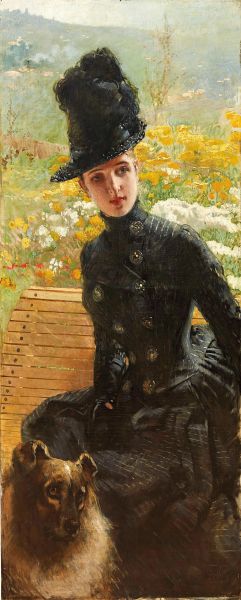
DONNA CON CANE
1885
recante firma [..]
Sold
Vittorio Matteo Corcos
(Livorno, 1859 - Firenze, 1933)
Vittorio Matteo Corcos
Vittorio Matteo Corcos
(Livorno 1859 - Firenze 1933)
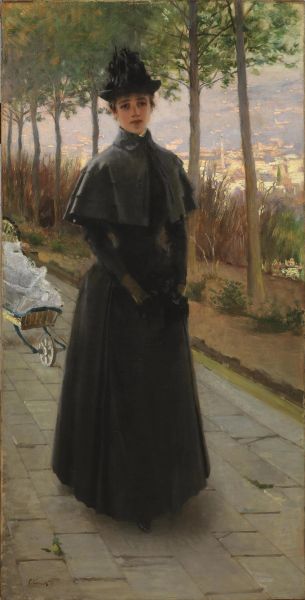
RITRATTO DI GENTILDONNA CON CARROZZINA
olio [..]
Sold
Vittorio Matteo Corcos
(Livorno, 1859 - Firenze, 1933)
Vittorio Matteo Corcos
Vittorio Matteo Corcos
(Livorno 1859 - Firenze 1933)
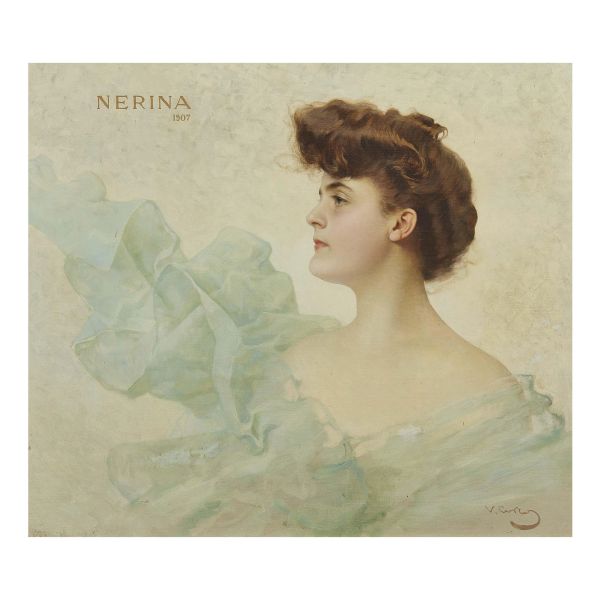
NERINA
oil on canvas, 69x79 cm
signed lower [..]
Sold
Vittorio Matteo Corcos
(Livorno, 1859 - Firenze, 1933)
Vittorio Matteo Corcos
Vittorio Matteo Corcos
(Livorno 1859 - Firenze 1933)
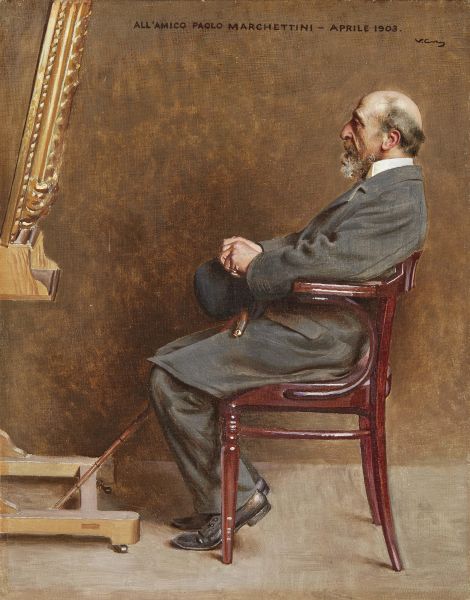
RITRATTO DI PAOLO MARCHETTINI
olio su tela, [..]
Sold
Vittorio Matteo Corcos
(Livorno, 1859 - Firenze, 1933)
Vittorio Matteo Corcos
Vittorio Matteo Corcos
(Livorno 1859 - Firenze 1933)
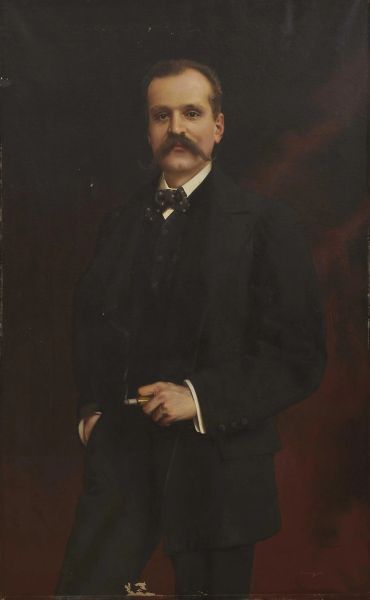
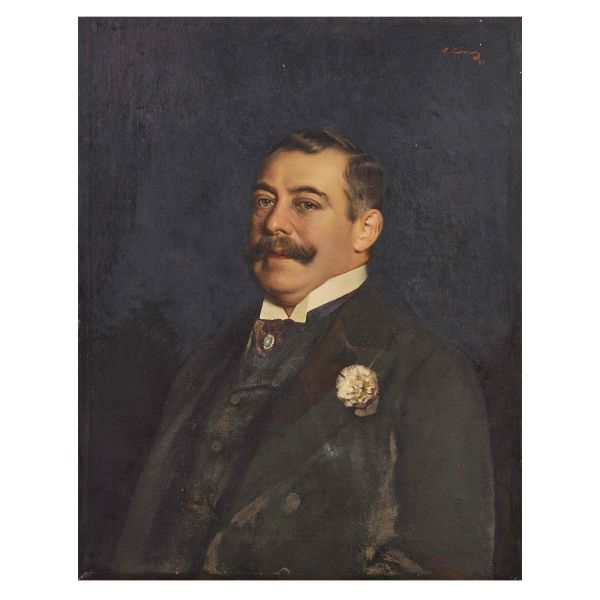
RITRATTO DI GENTILUOMO
olio su tela, cm 134x82,5 [..]
Sold
Vittorio Matteo Corcos
(Livorno, 1859 - Firenze, 1933)
Vittorio Matteo Corcos
Vittorio Matteo Corcos
(Livorno, 1859 - Firenze, 1933)
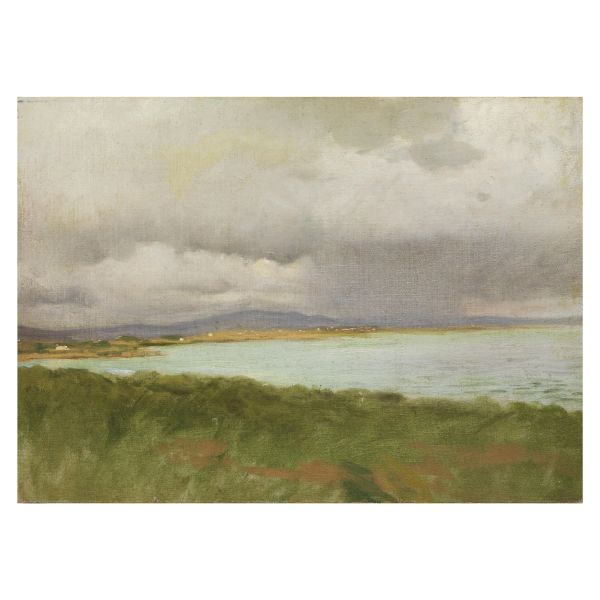
CASTIGLIONCELLO SEASCAPE
oil on canvas, 38.5x54 [..]
Sold
Vittorio Matteo Corcos
Vittorio Matteo Corcos
(Livorno, 1859 - Firenze, 1933)
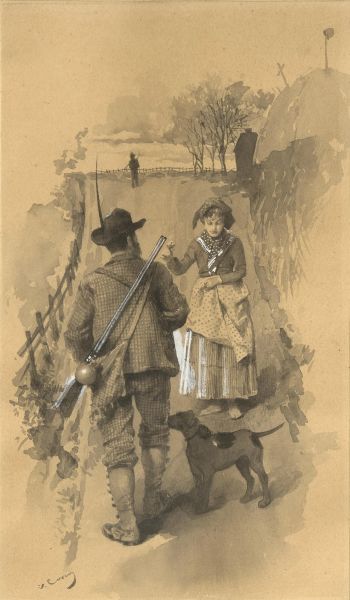
BOZZETTO FOR THE TALE FIORELLA
watercolour, 230x135 [..]
Sold
Vittorio Matteo Corcos
(Livorno, 1859 - Firenze, 1933)
Vittorio Matteo Corcos
Vittorio Matteo Corcos
(Livorno, 1859 - Firenze, 1933)
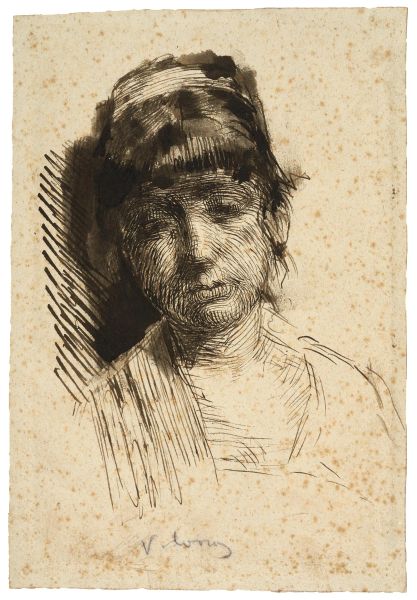
A GIRL'S FACE
pen and brow ink, 225x160 mm
[..]
Sold
Vittorio Matteo Corcos
(Livorno, 1859 - Firenze, 1933)
Vittorio Matteo Corcos
Vittorio Matteo Corcos
(Livorno 1859 - Firenze 1933) [..]