

Evaluation Giacomo Balla
Giacomo Balla Valuations - Want to sell a Giacomo Balla piece? Request a complimentary and confidential valuation!Pandolfini Casa d'Aste will review your submission and offer a free-of-charge estimate, if your item is suitable for our auctions.
biography
Giacomo Balla (Turin, July 18, 1871 – Rome, March 1, 1958) was an Italian painter, sculptor, set designer, and author of free words (paroliberi), a central figure in the twentieth-century Futurist movement. Born to Giovanni and Lucia Giannotti, he showed a marked interest in art from adolescence, attending a three-year course at the Regia Accademia Albertina di Belle Arti in Turin, where he met artists such as Pellizza da Volpedo. His early training was deeply influenced by the Divisionist environment of Turin and his father's passion for photography, which drew him toward social themes and the world of the marginalized. In 1895 Balla permanently left Turin to move to Rome with his mother, where he remained for the rest of his life and where he established himself as a pioneer of Divisionist technique, quickly attracting talented students including Umberto Boccioni, Gino Severini, and Mario Sironi, whom he met at the Scuola di nudo on via Repetta. In his early Roman period, he painted masterworks of Verista inspiration such as La Pazza (1905), maintaining the ethical and social commitment that characterized his artistic research. The decisive turning point in Balla's career came in 1909, when Filippo Tommaso Marinetti published the Manifesto of Futurism in Le Figaro. In 1910 Balla subscribed to the Manifesto of Futurist Painters and Futurist Painting, fully adhering to the avant-garde movement. During this period of great creativity, he created some of his most celebrated masterpieces, including Girl Running on a Balcony, Arc Lamp (1909-1911), The Hand of the Violinist (1912), and the celebrated Dynamism of a Dog on a Leash (1912), works that testified to his research into dynamism, movement, and light effects. In 1914 Elica was born, its name representing a tribute to Marinetti's motto, and in 1915, together with Fortunato Depero, he subscribed to the manifesto Futurist Reconstruction of the Universe. During the years of the First World War, which Balla firmly supported, he pursued the idea of total art, defined as Futurist Art-action. In 1918 he published the Manifesto of Color, a profound analysis of the role of color in avant-garde painting. Totally converted to Futurism, he sold all his figurative works at auction and began signing subsequent works with the pseudonym FuturBalla. After the death of Umberto Boccioni in 1916, Balla became the undisputed protagonist of the Futurist movement, a role he maintained in subsequent years. In 1925 he dedicated to Boccioni the work The Fist of Boccioni. In 1920 he joined the editorial board of the journal Roma Futurista and decorated the celebrated cabaret Bal Tic Tac, a fashionable Roman venue during the 1920s. In 1926 he created a sculpture of Mussolini, drawing closer to Fascism and being celebrated as an official artist of the regime. With the Manifesto of Futurist Aeropainting in 1929, he made his final formal act of adherence to Futurism. However, around the 1930s, Balla began to distance himself from the movement, no longer fully sharing Futurist poetics and simultaneously distancing himself from Fascism. In this phase he returned to figuration with paintings such as Primo Carnera (1933), which, while drawing on traditional painting techniques, depicted contemporary subjects. Balla's stylistic evolution took him from early Divisionism, through Futurism and the search for dynamism, to a reinterpretation of traditional figuration. In 1949 some of his works, including the celebrated Dynamism of a Dog on a Leash from 1912, were exhibited at the MoMA in New York in the exhibition Twentieth-Century Italian Art. The works of Giacomo Balla are today preserved in important international institutions, including the National Gallery of Modern Art in Rome, the Gallery of Modern Art in Turin, the Guggenheim in Venice, and the MoMA in New York, testimony to his historical and artistic significance in the panorama of European modern art.
Past lots of Giacomo Balla
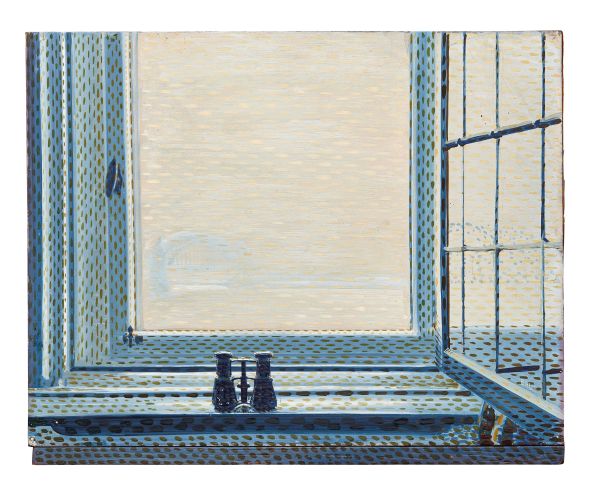
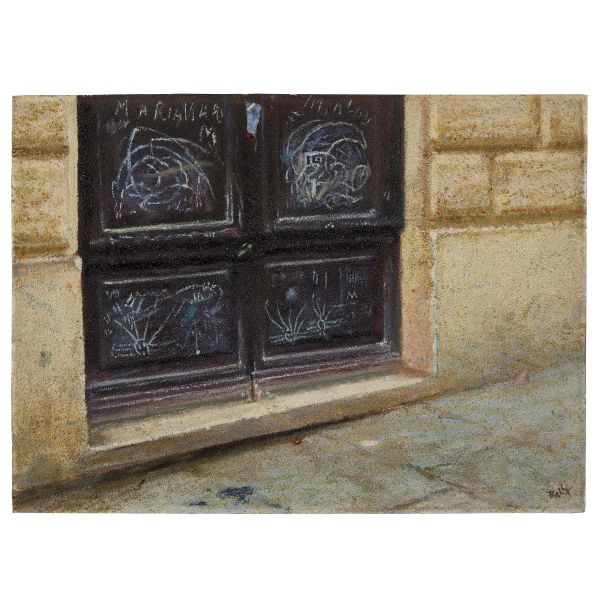
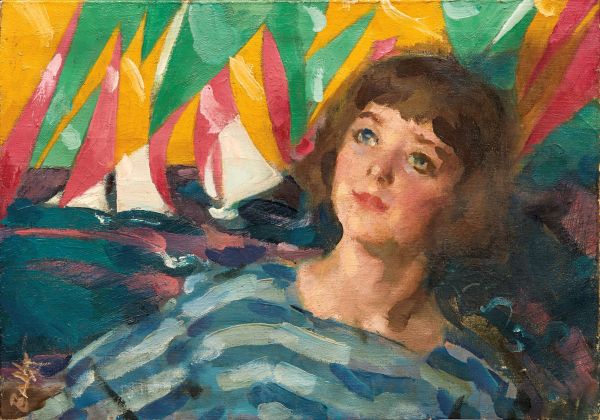
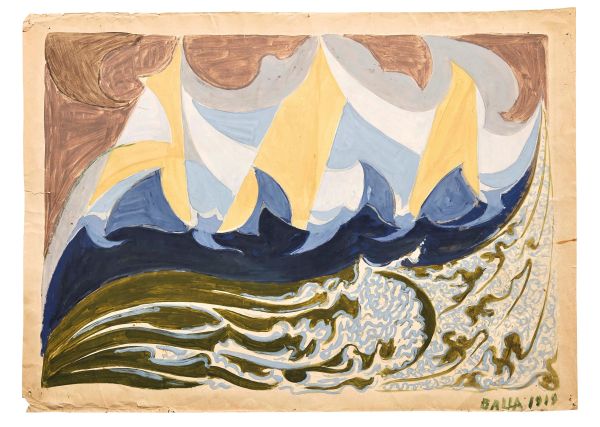
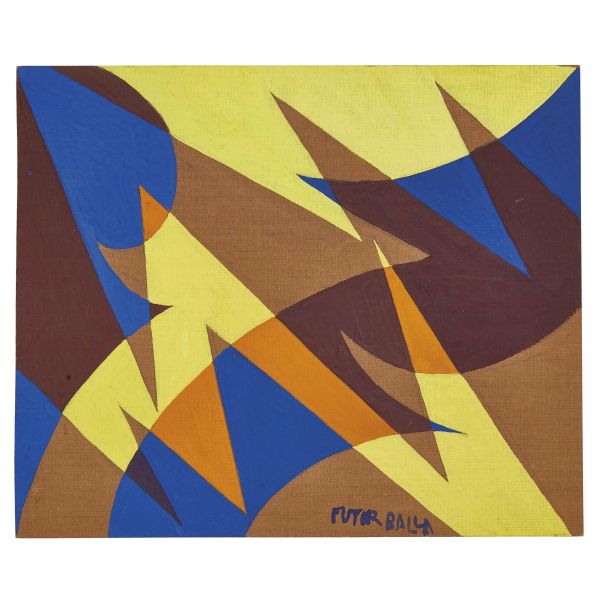
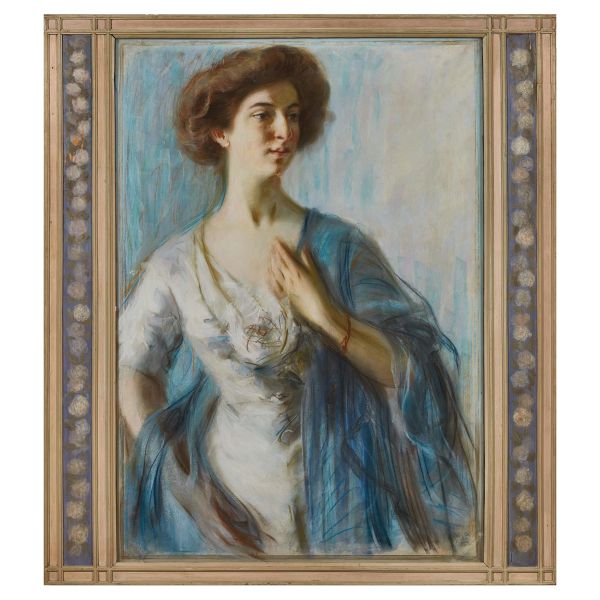
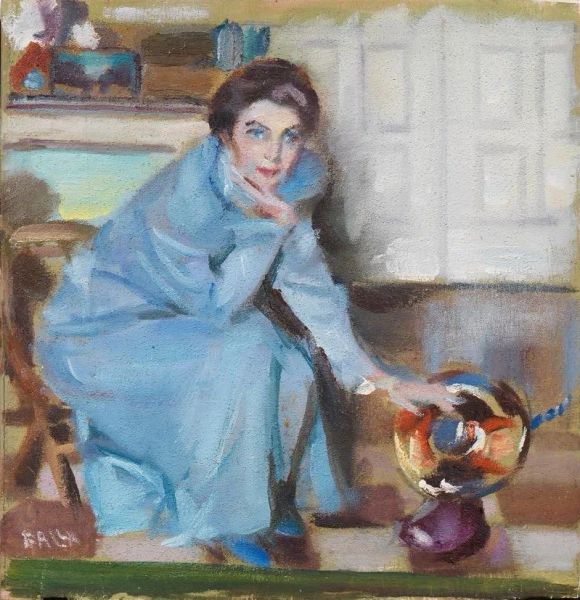
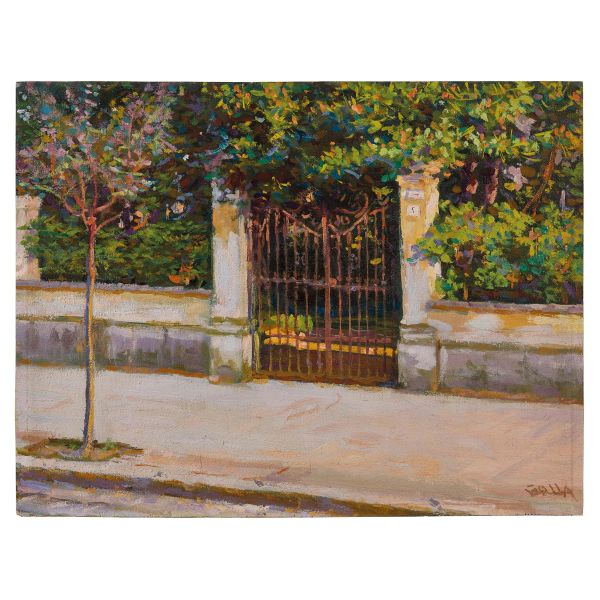
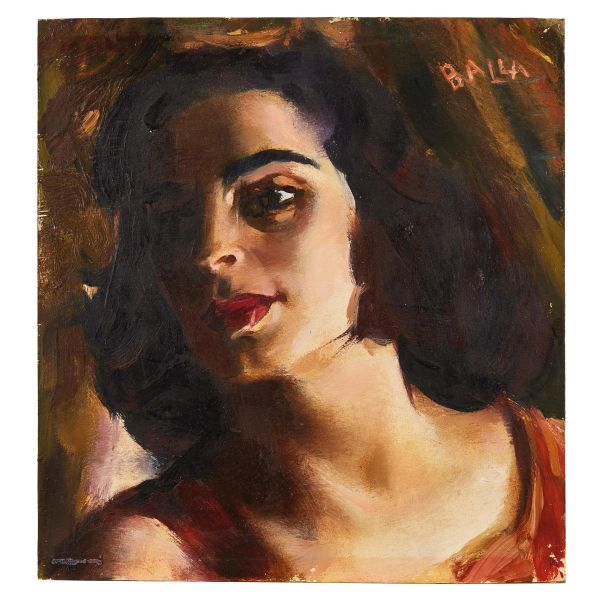
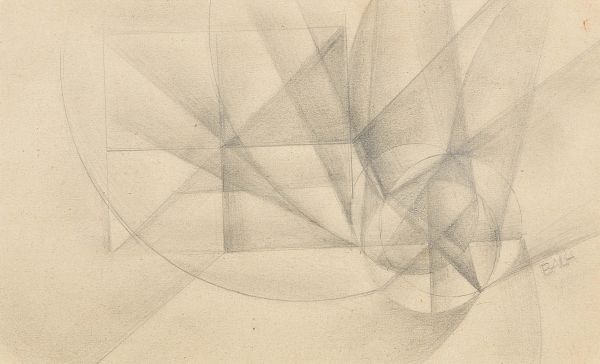
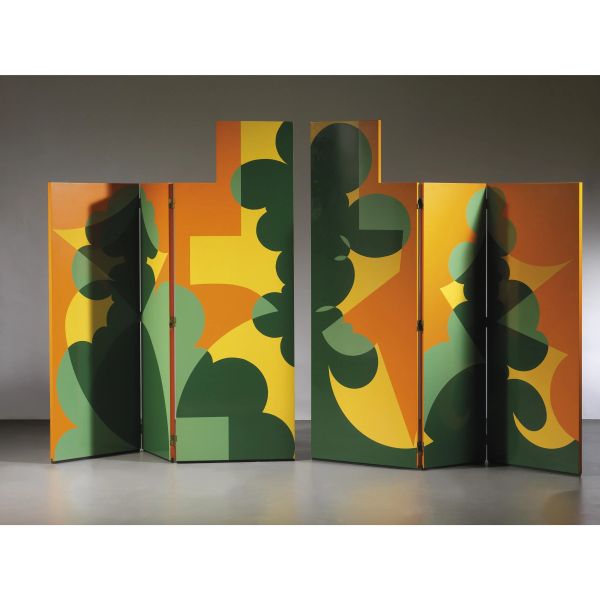
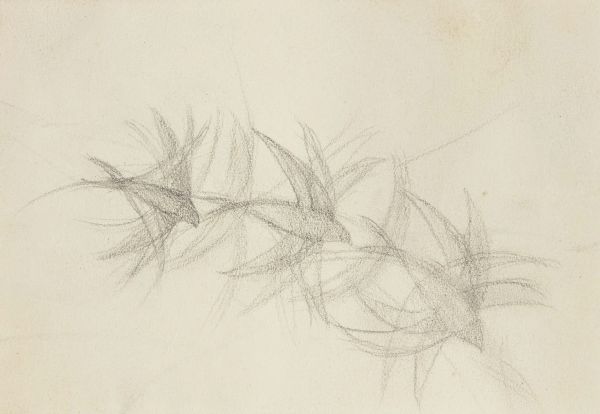
Giacomo Balla©
(Torino, 1871 - Roma, 1958)
Giacomo Balla
Giacomo Balla
(Torino 1871 - Roma 1958)
FINESTRA DI DÜSSELDORF
novembre 1912
[..]
Sold
GIACOMO BALLA
GIACOMO BALLA
(Torino 1871 - Roma 1958)
Fallimento - sketch
1902 ca.
oil on board
23x31 [..]
Sold
Giacomo Balla©
(Torino, 1871 - Roma, 1958)
Giacomo Balla
Giacomo Balla
(Torino 1871 - Roma 1958)
RITRATTO DI LAURA MARCUCCI CAMBELLOTTI
oppure [..]
Sold
Giacomo Balla©
(Torino, 1871 - Roma, 1958)
Giacomo Balla
Giacomo Balla
(Torino 1871 - Roma 1958)
FUTURLIBECCIATA ( recto )
1919
STUDIO [..]
Sold
Giacomo Balla©
(Torino, 1871 - Roma, 1958)
GIACOMO BALLA
GIACOMO BALLA
(Torino 1871 - Roma 1958)
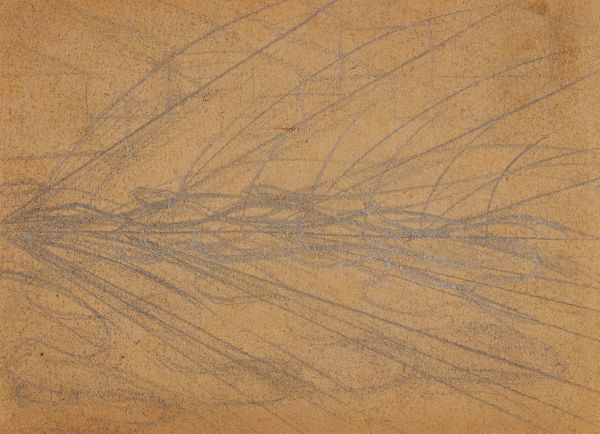
Linee di velocità vortice cielo
1914 ca.
[..]
Sold
GIACOMO BALLA
GIACOMO BALLA
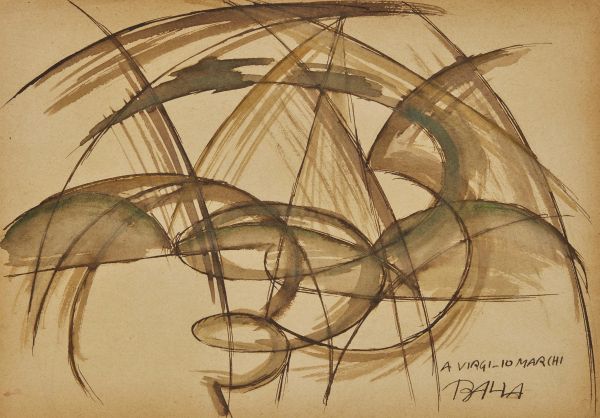
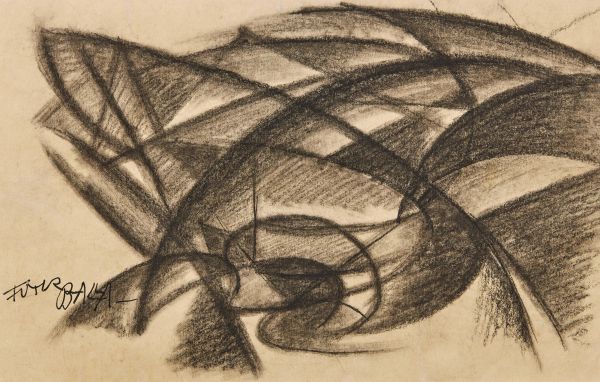
(Torino 1871 - Roma 1958)
Linea di velocità vortice
1913-1914
matita contè [..]
Sold
Giacomo Balla©
(Torino, 1871 - Roma, 1958)
GIACOMO BALLA
GIACOMO BALLA
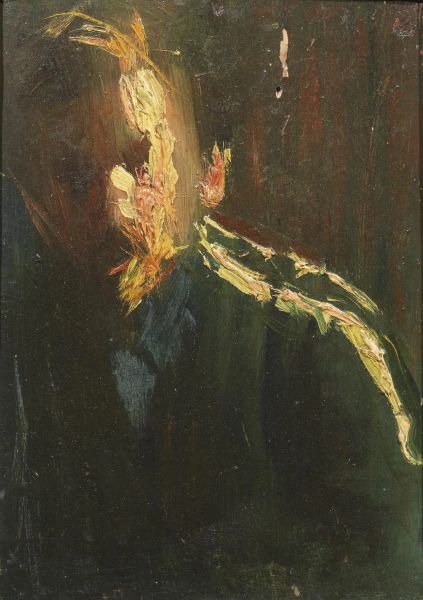
(Torino 1871 - Roma 1958)
Self-portrait
1902 ca.
oil on board
16.8x11.4 cm
[..]
Sold
Giacomo Balla©
(Torino, 1871 - Roma, 1958)
GIACOMO BALLA
GIACOMO BALLA
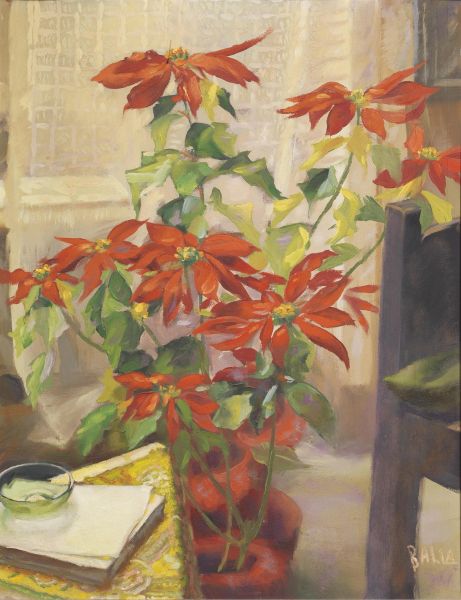
(Torino 1871 - Roma 1958) Poinsezie ardenti 1952 oil on plywood 85.5x65.5 cm [..]
Sold
GIACOMO BALLA
GIACOMO BALLA
(Torino 1871 - Roma 1958)
Linea Forza
1920s - from a sketch of 1917
tempera and pencil [..]
Sold
Giacomo Balla©
(Torino, 1871 - Roma, 1958)
GIACOMO BALLA
GIACOMO BALLA
(Torino 1871 - Roma 1958)
Marchesa De Nobili's portrait
1910
mixed media on paper, [..]
Sold
Giacomo Balla©
(Torino, 1871 - Roma, 1958)
GIACOMO BALLA
GIACOMO BALLA
(Torino 1871 - Roma 1958) [..]
Sold
GIACOMO BALLA
GIACOMO BALLA
(Torino 1871 - Roma 1958)
Nella luce del tramonto
1925
oil on plywood
40.5x53 [..]
Sold
Giacomo Balla©
(Torino, 1871 - Roma, 1958)
GIACOMO BALLA
GIACOMO BALLA
(Torino 1871 - Roma 1958)
Ritratto di Claudia
1946 ca.
oil on board
31.8x29.8 [..]
Sold
Giacomo Balla©
(Torino, 1871 - Roma, 1958)
GIACOMO BALLA
GIACOMO BALLA
(Torino 1871 - Roma 1958)
Studio di volumi
1912-1914 matita grafite su carta
[..]
Sold
Giacomo Balla
(Torino, 1871 - Roma, 1958)
Giacomo Balla
Giacomo Balla
(Torino, 1871 - Roma, 1958)
SCREEN, WOODEN STRUCTURE, YELLOW, GREEN AND ORANGE [..]
Sold
Giacomo Balla©
(Torino, 1871 - Roma, 1958)
GIACOMO BALLA
GIACOMO BALLA
(Torino 1871 - Roma 1958)
Studio per volo rondini
1913
matita grafite su foglio di [..]
Sold
Giacomo Balla©
(Torino, 1871 - Roma, 1958)
GIACOMO BALLA
GIACOMO BALLA
(Torino 1871 - Roma 1958)
Studio di motocicletta in corsa
1913 ca. 12,7x17,3 cm [..]
Sold
Giacomo Balla©
(Torino, 1871 - Roma, 1958)
GIACOMO BALLA
GIACOMO BALLA
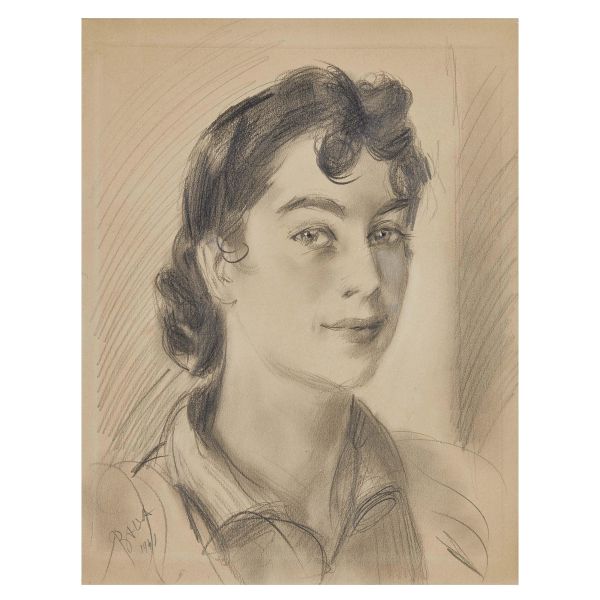
(Torino 1871 - Roma 1958) Portrait of Elica Balla 1941
pencil and biacca on heavy paper [..]
Sold
Giacomo Balla©
(Torino, 1871 - Roma, 1958)
GIACOMO BALLA
GIACOMO BALLA
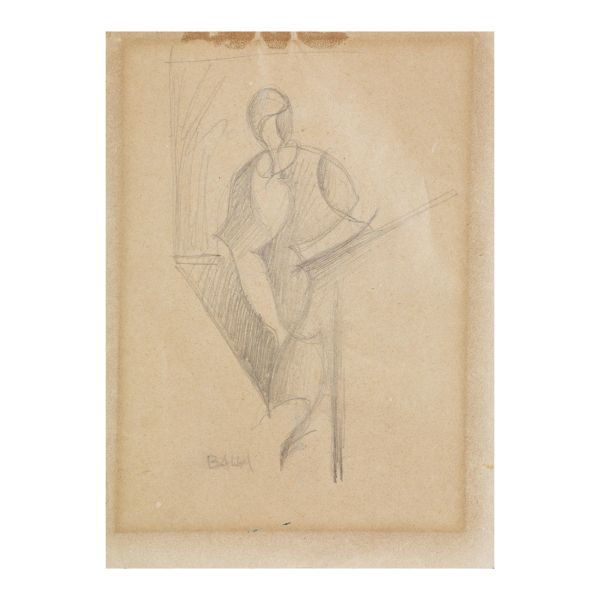
(Torino 1871 - Roma 1958) Figura ambiente 1919 ca. pencil on paper (on cardboard) [..]
Sold
GIACOMO BALLA
GIACOMO BALLA
(Torino 1871 - Roma 1958)
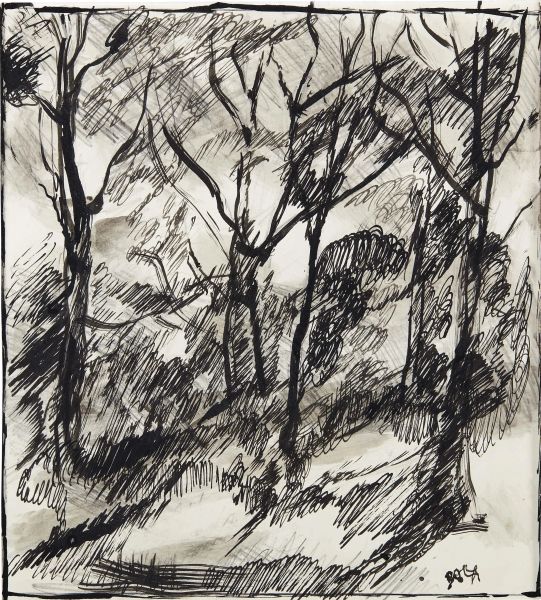
Alberi a villa Borghese
1952 [..]
Sold
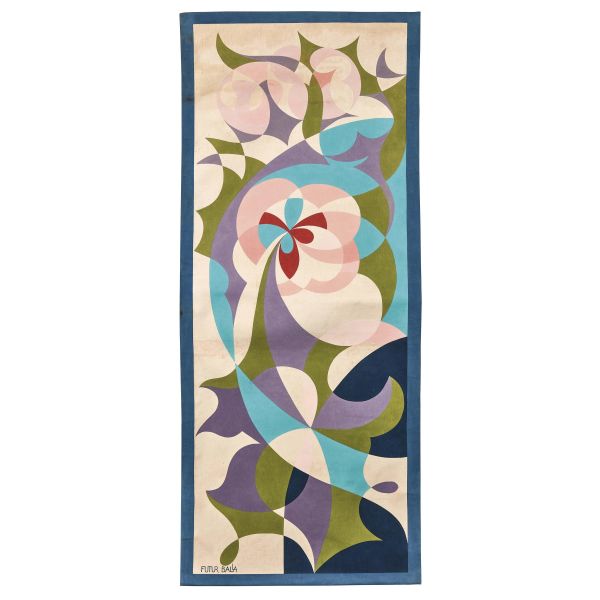
FUTUR BALLA
FUTUR BALLA
(da Giacomo Balla)
end of XX century
tempera on canvas
195x80 cm
inscribed FUTUR [..]
Sold
Giacomo Balla©
(Torino, 1871 - Roma, 1958)
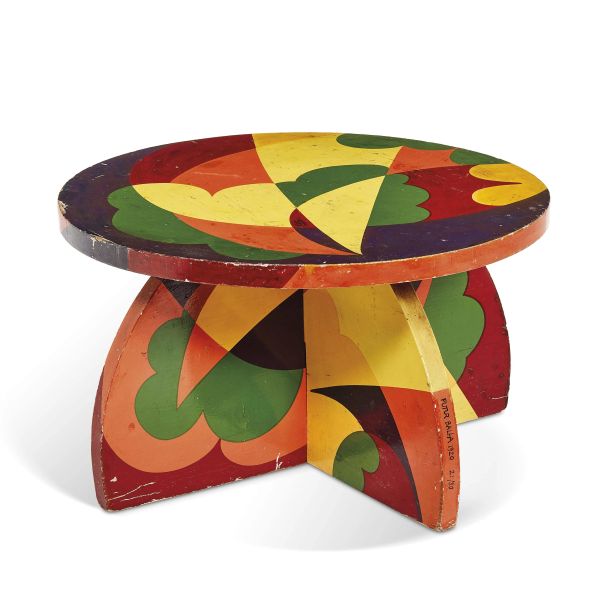
GIACOMO BALLA (da)
GIACOMO BALLA (da)
(Torino 1871 - Roma 1958)
Small table - Futurballa
1980
silk-screen printing [..]
Sold
Giacomo Balla©
(Torino, 1871 - Roma, 1958)
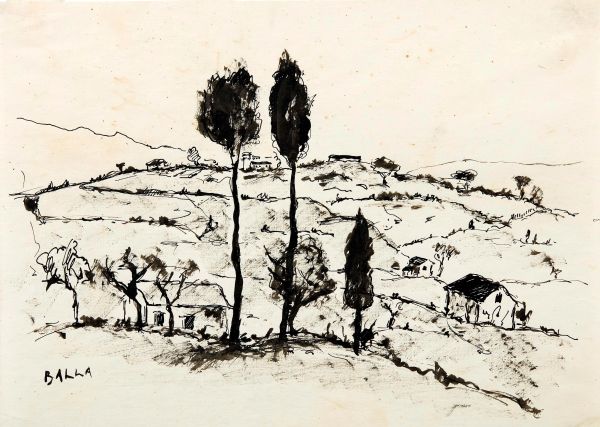
GIACOMO BALLA
GIACOMO BALLA
(Torino 1871 - Roma 1958)
Paesaggio romano
anni cinquanta
china su carta
[..]
Sold
Giacomo Balla©
(Torino, 1871 - Roma, 1958)
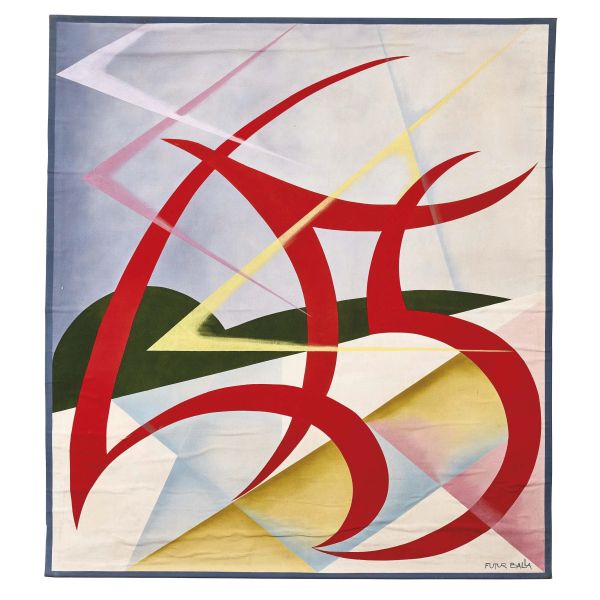
FUTURBALLA
FUTURBALLA
(da Giacomo Balla)
1990s
tempera on canvas
144x133.5 cm
inscribed FUTURBALLA lower [..]
Sold
Giacomo Balla©
(Torino, 1871 - Roma, 1958)
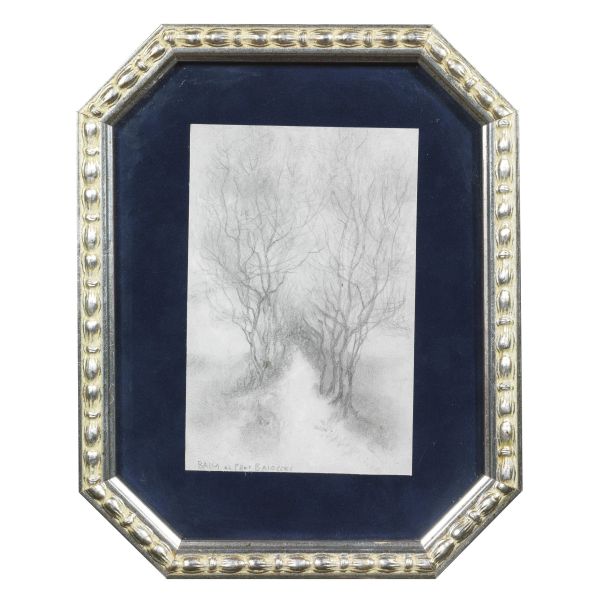
GIACOMO BALLA
GIACOMO BALLA
(Torino 1871 - Roma 1958)
Viale con alberi
1940s
pencil on paper
15x10 cm with [..]
Giacomo Balla©
(Torino, 1871 - Roma, 1958)
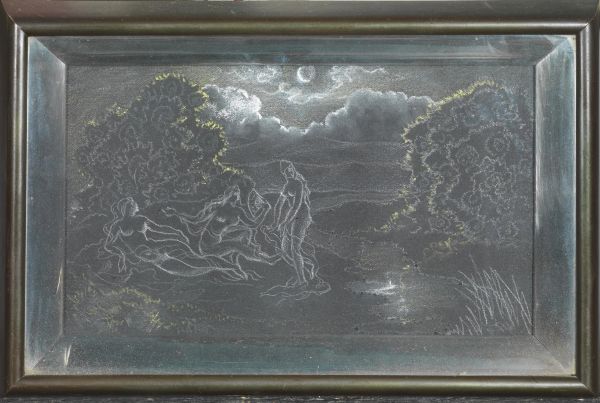
GIACOMO BALLA
GIACOMO BALLA
(Torino 1871 - Roma 1958)
Notturno; Le Bagnanti
1944 ca.
mixed media on cardboard [..]
Giacomo Balla©
(Torino, 1871 - Roma, 1958)
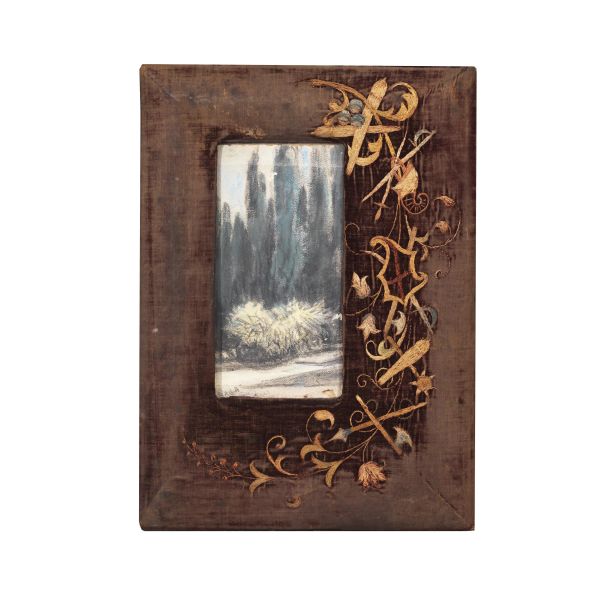
GIACOMO BALLA
GIACOMO BALLA
(Torino 1871 - Roma 1958) Cipressi a Villa Ambron; Landscape
colored crayons on brown [..]
Giacomo Balla©
(Torino, 1871 - Roma, 1958)
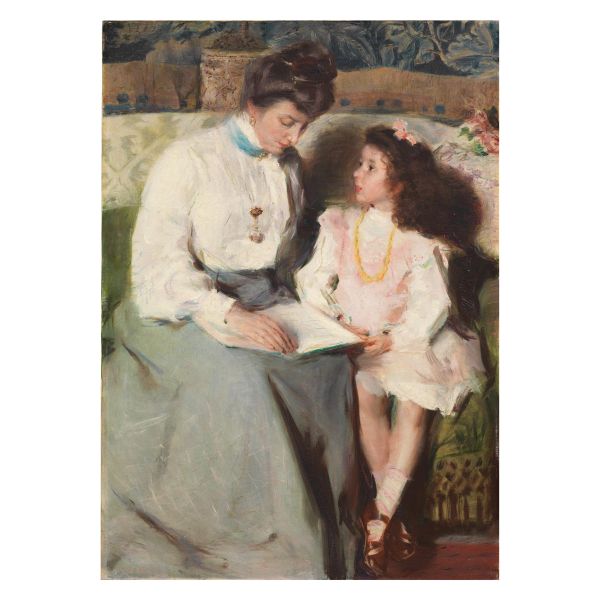
GIACOMO BALLA
GIACOMO BALLA
(Torino 1871 - Roma 1958)
Lettura della mamma, Lettura; Ritratto della Signora Pardo
June [..]