
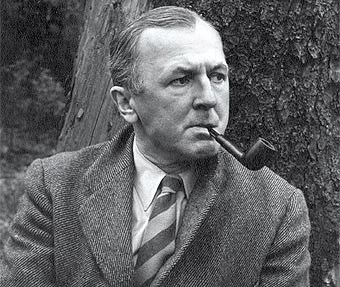
Evaluation George Grosz
George Grosz Valuations - Want to sell a George Grosz piece? Request a complimentary and confidential valuation!Pandolfini Casa d'Aste will review your submission and offer a free-of-charge estimate, if your item is suitable for our auctions.
biography
George Grosz, pseudonym of Georg Ehrenfried Groß, was born in Berlin on July 26, 1893, and died in the same city on July 6, 1959. A renowned German painter, draughtsman, and caricaturist, Grosz studied from 1909 to 1911 at the Dresden Academy, copying works by old masters like Rubens, and then at the Berlin School of Arts and Crafts from 1912 to 1914. In 1913, he stayed in Paris attending the Académie Colarossi, encountering Cubism and Futurism, which influenced his early style. During World War I, he served in the army in 1914-1915 and briefly in 1917, but was discharged due to nervous breakdown; during this time, he created anti-war drawings and critiques of German social corruption, denouncing capitalists, prostitution, the Prussian military caste, and the bourgeoisie.
Grosz was a key figure in Berlin Dada from 1917 to 1920, collaborating with John Heartfield and Raoul Hausmann on the invention of photomontage. In 1920, he held his first solo exhibition at the Galerie Hans Goltz in Munich and participated in the First International Dada Fair in Berlin. He published drawing albums such as Gott mit uns, Ecce Homo, and Der Spiesser-Spiegel, facing trials for insulting the army and blasphemy. Promoter of New Objectivity (Neue Sachlichkeit) alongside Otto Dix, he joined the German Communist Party and led the Red Group, using his art to bear witness to violence and the collapse of the bourgeois world in Expressionist works like Metropolis and The Funeral (Dedicated to Oskar Panizza). His caricatures and watercolors defined the image of 1920s Germany.
With the rise of Nazism, his works were confiscated and labeled degenerate; in 1933, he emigrated to the United States, teaching at the Art Students League in New York and opening a painting school with Maurice Sterne. He received the Guggenheim Fellowship in 1937, gained American citizenship in 1938, and in 1941 the Museum of Modern Art held a retrospective of his work. In the US, he focused on landscapes, still lifes, and apocalyptic scenes. Returning to Berlin in 1959, he died a few months later. George Grosz's works are today auctioned at houses like Pandolfini, emblem of social satire and Dada avant-garde.
Grosz was a key figure in Berlin Dada from 1917 to 1920, collaborating with John Heartfield and Raoul Hausmann on the invention of photomontage. In 1920, he held his first solo exhibition at the Galerie Hans Goltz in Munich and participated in the First International Dada Fair in Berlin. He published drawing albums such as Gott mit uns, Ecce Homo, and Der Spiesser-Spiegel, facing trials for insulting the army and blasphemy. Promoter of New Objectivity (Neue Sachlichkeit) alongside Otto Dix, he joined the German Communist Party and led the Red Group, using his art to bear witness to violence and the collapse of the bourgeois world in Expressionist works like Metropolis and The Funeral (Dedicated to Oskar Panizza). His caricatures and watercolors defined the image of 1920s Germany.
With the rise of Nazism, his works were confiscated and labeled degenerate; in 1933, he emigrated to the United States, teaching at the Art Students League in New York and opening a painting school with Maurice Sterne. He received the Guggenheim Fellowship in 1937, gained American citizenship in 1938, and in 1941 the Museum of Modern Art held a retrospective of his work. In the US, he focused on landscapes, still lifes, and apocalyptic scenes. Returning to Berlin in 1959, he died a few months later. George Grosz's works are today auctioned at houses like Pandolfini, emblem of social satire and Dada avant-garde.
Past lots of George Grosz

George Grosz©
(Berlino, 1893 - 1959)
George Grosz
George Grosz
(Berlin 1893 - 1959)
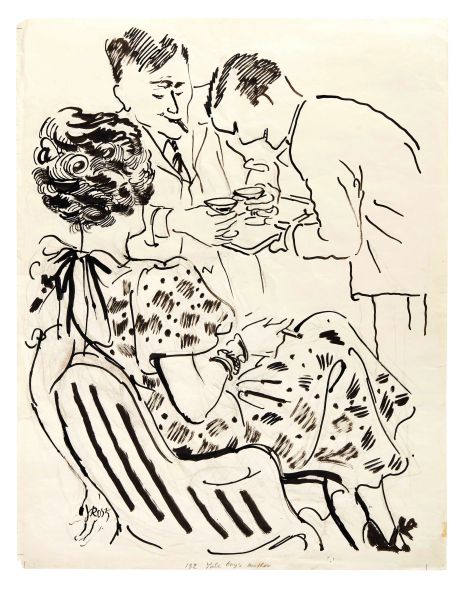
YALE BOY’S MOTHER
1937-1938
firmato in basso [..]
Sold
George Grosz©
(Berlino, 1893 - 1959)
GEORGE GROSZ
GEORGE GROSZ
(Berlino 1893 - 1959)
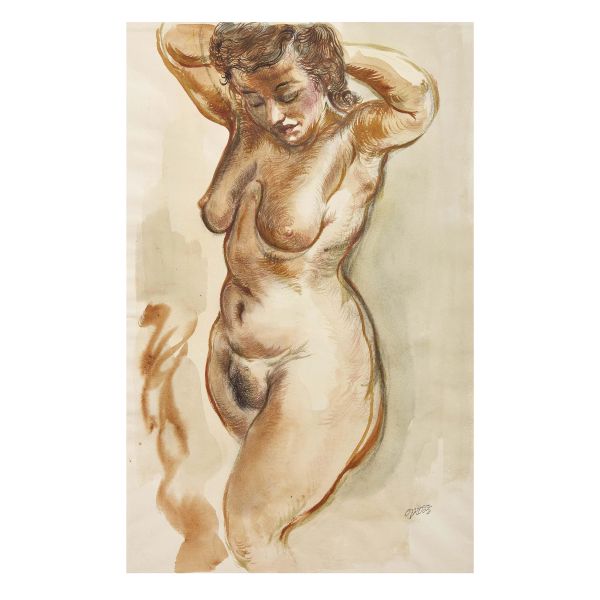
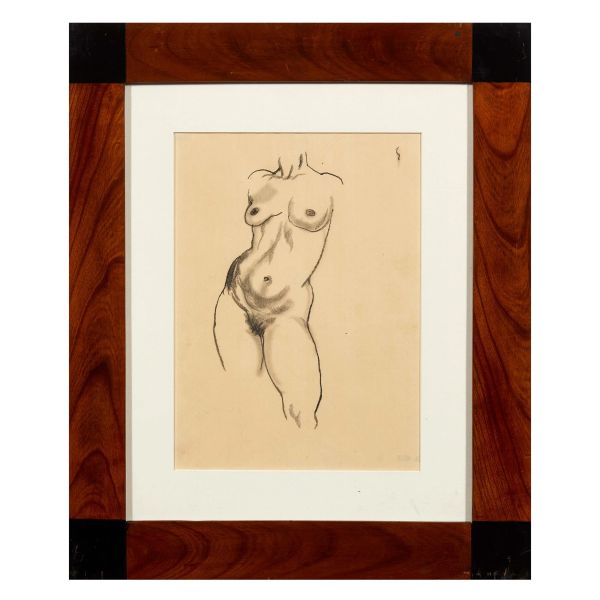
Feminine nude
1939/40
watercolor and black chalks on paper
[..]
Sold
George Grosz©
(Berlino, 1893 - 1959)
GEORGE GROSZ
GEORGE GROSZ
(Berlino 1893 - 1959)
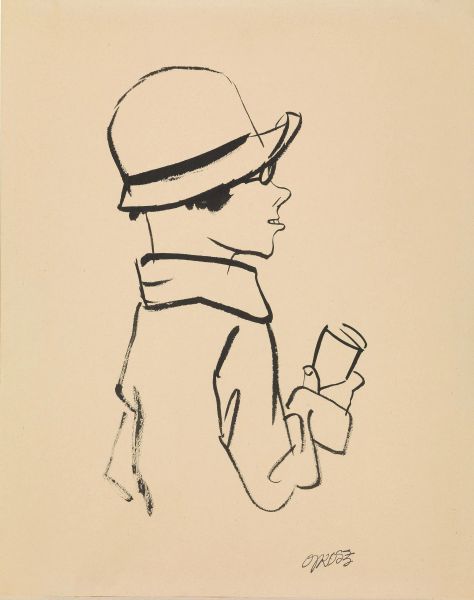
Figura femminile con cappello
pennarello su carta
cm 31x24 [..]
Sold
George Grosz©
(Berlino, 1893 - 1959)
GEORGE GROSZ
GEORGE GROSZ
(Berlino 1893 - 1959)
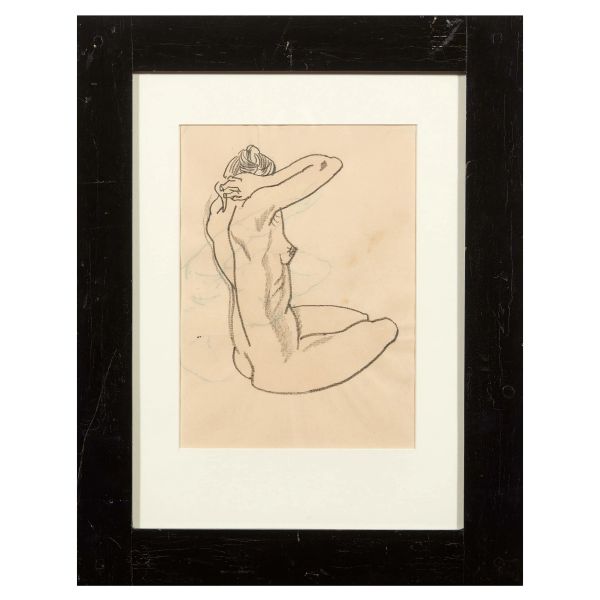
Sitzrender Akt (Seitlich)
1913-14
pencil on paper (recto/verso) [..]
Sold
George Grosz©
(Berlino, 1893 - 1959)
GEORGE GROSZ
GEORGE GROSZ
(Berlino 1893 - 1959)
Stehender akt
1914
pencil on paper
27.9x20.9 cm
on [..]
Sold
George Grosz©
(Berlino, 1893 - 1959)
GEORGE GROSZ
GEORGE GROSZ
(Berlino 1893 - 1959)
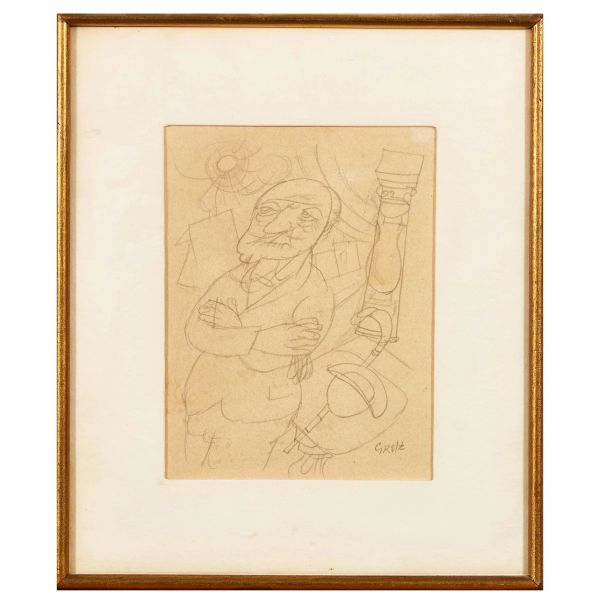
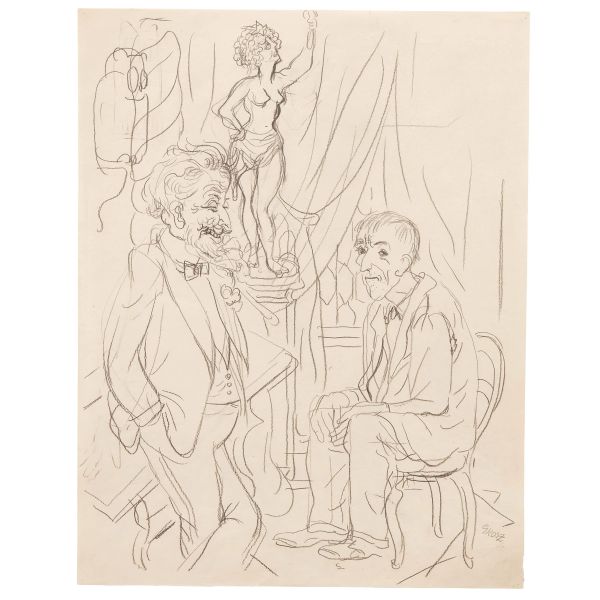
Lebemann 1917 ca. pencil on paper 19x15 cm signed lower right on the [..]
Sold
George Grosz©
(Berlino, 1893 - 1959)
GEORGE GROSZ
GEORGE GROSZ
(Berlino 1893 - 1959)
Hafenszeren
1913 ca.
pencil on paper
16.2x21 cm
[..]
George Grosz©
(Berlino, 1893 - 1959)
GEORGE GROSZ
GEORGE GROSZ
(Berlino 1893 - 1959)
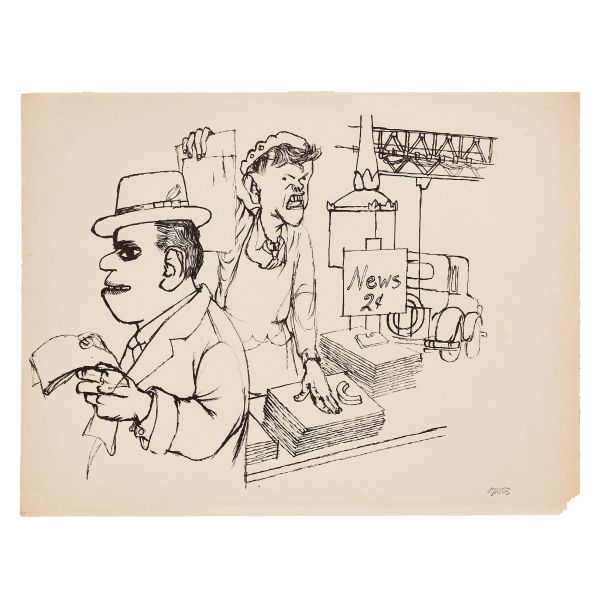
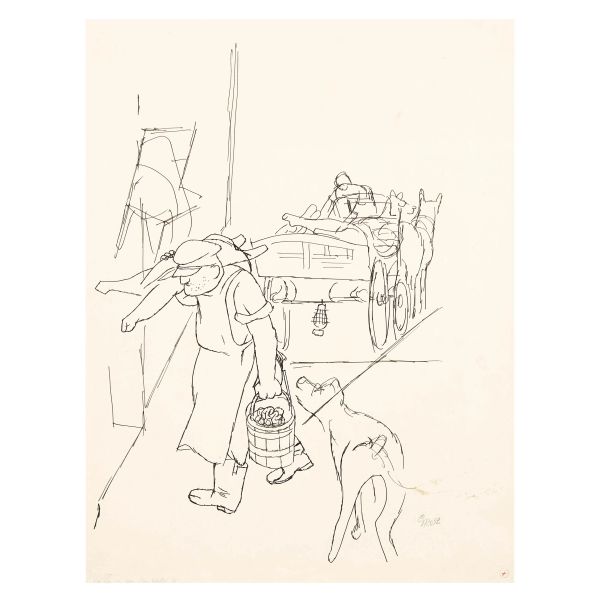
News vendor, New York
1932
reed pen, pen and ink on paper [..]
George Grosz©
(Berlino, 1893 - 1959)
GEORGE GROSZ
GEORGE GROSZ
(Berlino 1893 - 1959)
The Fifth Wheel
1934
carpenter's pen
59.2x46.2 cm
[..]
George Grosz©
(Berlino, 1893 - 1959)
GEORGE GROSZ
GEORGE GROSZ
(Berlino 1893 - 1959)
Der Weg Allen Fleisches 10
1929 ca.
Indian ink on paper [..]
George Grosz©
(Berlino, 1893 - 1959)
GEORGE GROSZ
GEORGE GROSZ
(Berlino 1893 - 1959)
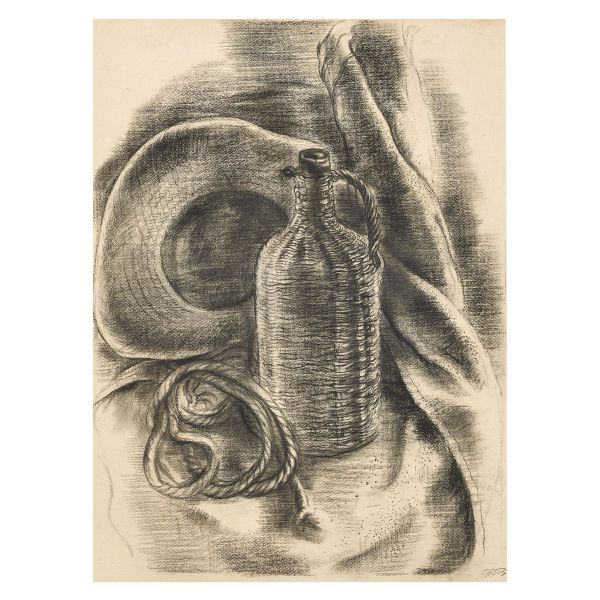
Still Life with Hat
1940
charchoal on paper
63.5x48.1 cm [..]
George Grosz©
(Berlino, 1893 - 1959)
GEORGE GROSZ
GEORGE GROSZ
(Berlino 1893 - 1959)
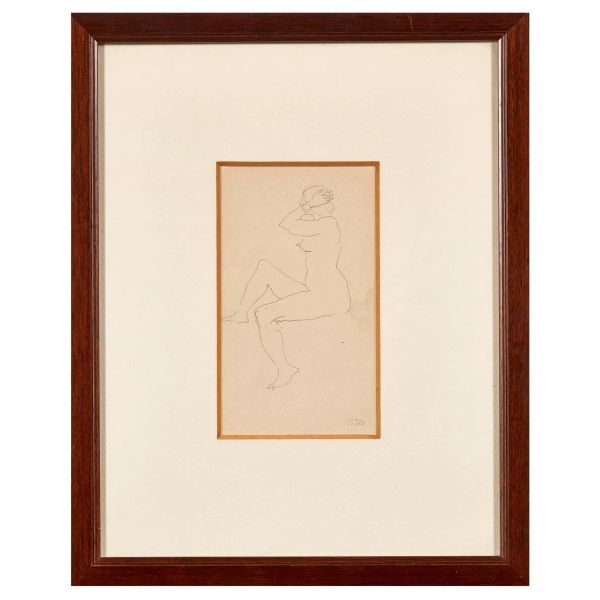
Female nude
1912 ca.
pencil on paper
17x10 cm
signed [..]